



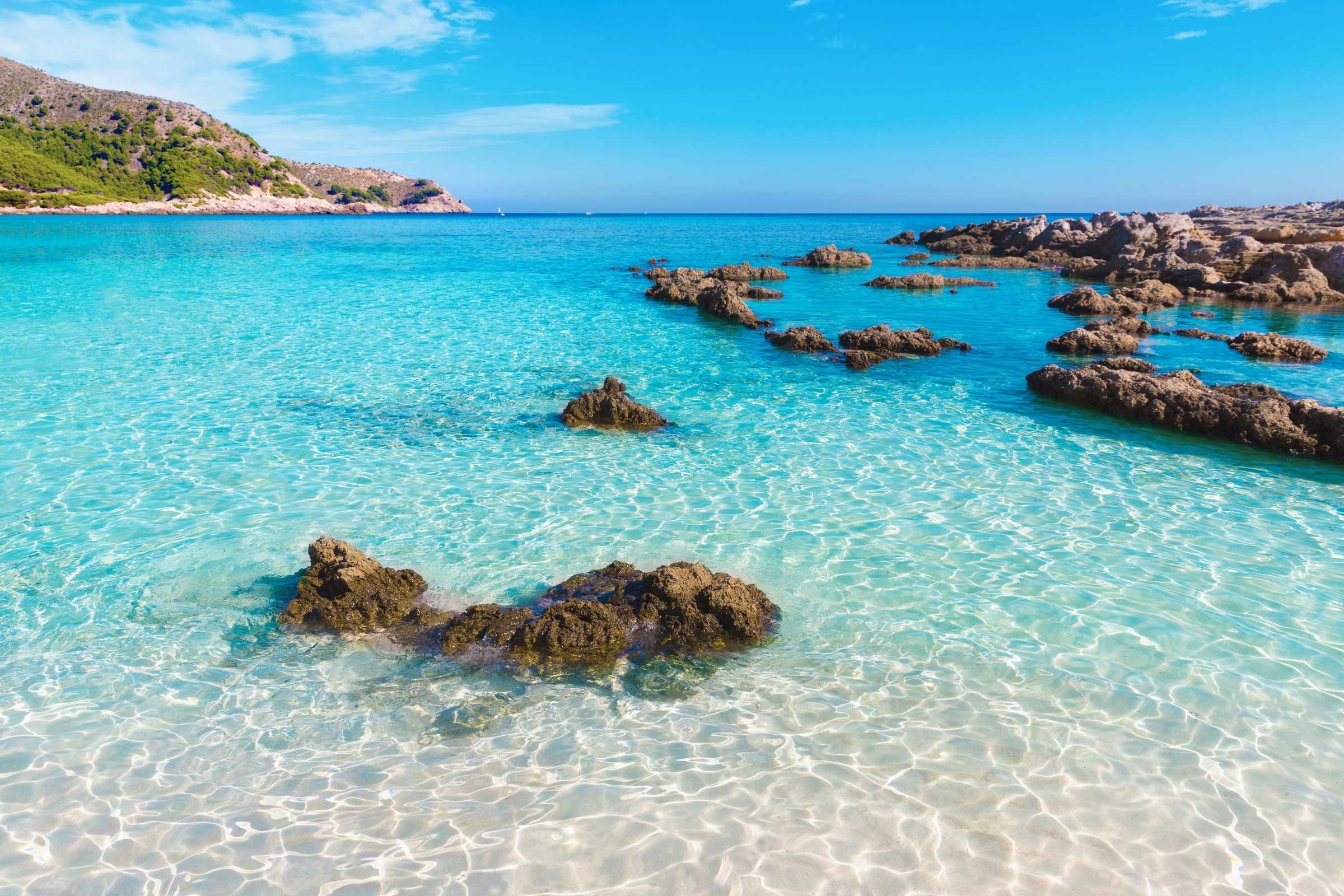
Climate & weather in Mallorca – monthly values, bathing temperatures & best time to travel
Mallorca spoils us with a subtropical-Mediterranean climate: long, dry, very warm summers, short, mild winters and around 300 days of sunshine per year. Thanks to the Serra de Tramuntana, a lot of rainfall accumulates in the northwest – the east and south remain noticeably drier. Here we bring together all the data, tips and monthly guides so that we can plan our trip with pinpoint accuracy.
Quick climate overview
-
Climate type: subtropical-Mediterranean
-
Sunshine: Ø 7.9 hours/day
-
Maximum rainfall: October (heaviest precipitation)
-
Driest midsummer minimum: July
-
Swimming season: June-October (shallow bays often as early as mid-May > 20 °C)
-
Heat peaks: often up to 35 °C on the coast, 40 °C possible in the interior of the island >
-
Winter: mild (daily average ~9-10 °C), occasional snow possible in the mountains
Climate table Mallorca (annual overview)
Note: Average values – local values may vary due to microclimates (Tramuntana, interior of the island, east/south coast).
| month | Max °C | Min °C | Ø °C | Sunshine hours/day | Rainy days/month | Water temp. °C |
|---|---|---|---|---|---|---|
| Jan | 15 | 4 | 9 | 5,4 | 5 | 14 |
| Feb | 16 | 5 | 10 | 6,0 | 5 | 13 |
| Mar | 17 | 5 | 11 | 6,5 | 5 | 14 |
| Apr | 19 | 7 | 13 | 7,6 | 5 | 15 |
| May | 23 | 11 | 17 | 9,1 | 4 | 17 |
| Jun | 27 | 15 | 21 | 10,2 | 2 | 21 |
| Jul | 29 | 17 | 24 | 10,9 | 1 | 24 |
| Aug | 30 | 18 | 25 | 10,1 | 2 | 25 |
| Sep | 27 | 16 | 22 | 7,5 | 4 | 24 |
| Oct | 23 | 12 | 18 | 6,6 | 6 | 21 |
| Nov | 19 | 8 | 13 | 5,6 | 6 | 18 |
| Dec | 16 | 5 | 11 | 5,0 | 6 | 15 |
-
Driest month: July (~7mm rain)
-
Rainiest month: October (~68mm)
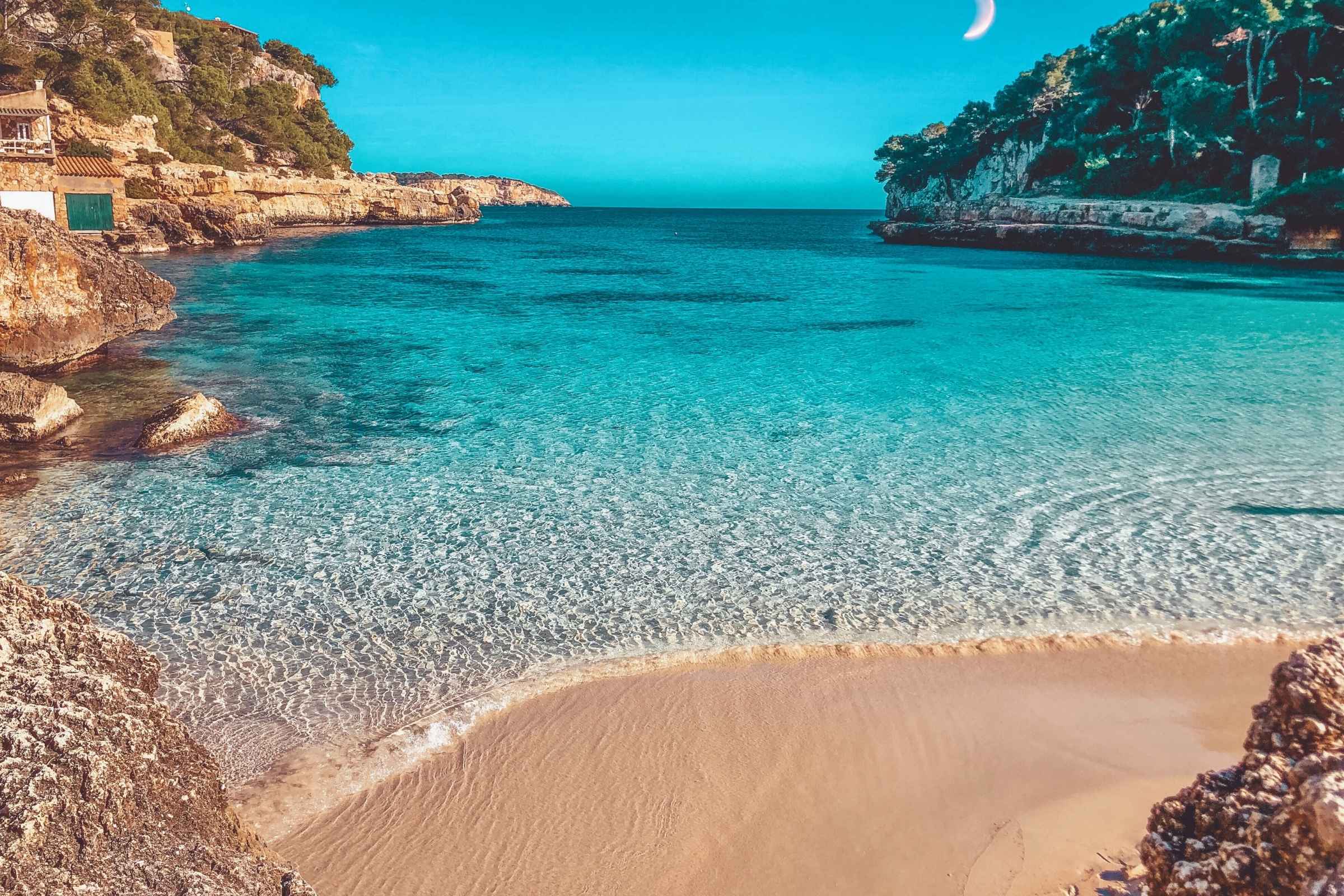
When Mallorca warm?
Regional microclimates – where it feels like
-
Serra de Tramuntana (northwest): cooler, more humid, frequent cloud cover; snow possible on peaks in winter – ideal for hiking in spring/autumn.
-
Bay of Palma & southwest: lots of sun, sheltered from the wind; early start to the bathing season, pleasant transitional periods.
-
East coast (Llevant): mostly drier, constant summer breezes; many shallow bays with quickly warmed water.
-
North (Alcúdia/Pollença): somewhat windier; occasional short episodes of heavy rain in late summer/autumn.
-
Interior of the island (Pla de Mallorca): greater amplitude: hot days, cooler nights; highest heat peaks in summer.
-
South/Migjorn & Es Trenc: sunny, long beaches, clear, warm water until October.
Seasonal calendar – what to expect and when
Winter (December-February)
Mild days (~9-10 °C Ø), cool nights; quiet beaches, clear visibility. Almond blossom from mid/late February bathes the island in white-rosé. Sea 14-15 °C – swimming possible, but fresh. Ideal for cities, culinary delights, wellness.
Spring (March-May)
Greenery, flowers, hiking & cycling at their best. April still brings changeable showers; May already delivers highs around 23 °C, water temperature ~17-20 °C (shallow bays warmer). Perfect for active exploration without the heat.
Summer (June-August)
Stable, very dry (minimum rainfall in July), hot afternoons(up to 35 °C, sometimes higher inside). The Embat sea breeze is refreshing. UV index very high – take sun protection & siesta planning into account. Water 21-25 °C.
Fall (September-November)
September: warm in late summer, sea still ~24 °C. October: peak of rain (short, heavy showers possible), but pleasant 23 °C and empty bays. November: mild, atmospheric, ideal for pleasure & hiking.
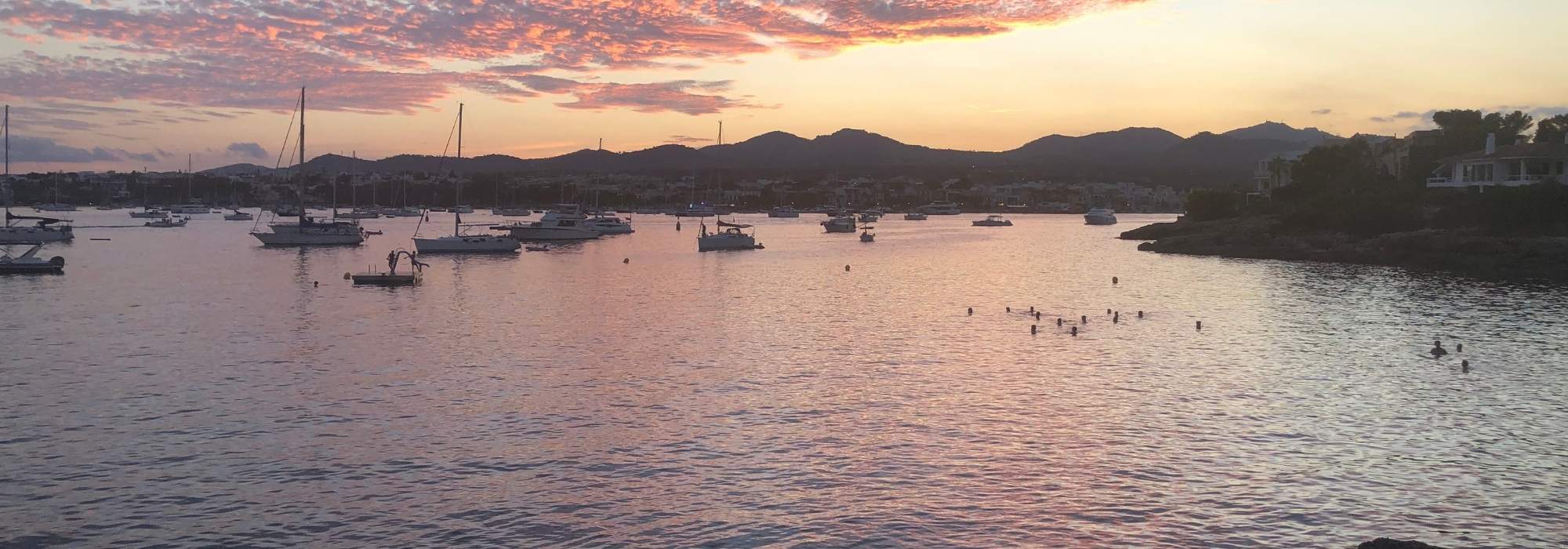
Real Estate Portocolom Sunset
Monthly guide – precise recommendations
-
January: coolest month (Ø ~9 °C). Choose south/southwest for more open restaurants. Indoor highlights: Palma Aquarium, studios, museums.
-
February: fresh nights (~4 °C min), almond blossom from the middle of the month. Top for road biking & hiking in stable weather, few rainy days (~5).
-
March: 17 °C during the day, single-digit nights – plan accommodation with heating. Pool often more pleasant than the sea. Not overcrowded island-wide (except for bike training).
-
April: ~19 °C and ~8 hours of sunshine – best sightseeing window. Light showers possible; beach walks & first attempts at swimming.
-
May: Summer feeling light (max. >25 °C on warm days), water ~17-20 °C. Flights/hotels usually cheaper than in midsummer; perfect family time before the wave.
-
June: Start of the bathing season. 21 °C water temperature, very sunny, hardly any rain (2 days).
-
July: peak heat & driest month (~7 mm rain). Enjoy the beach early/late, take advantage of the siesta.
-
August: warm sea(~25 °C), lots of sun. Hot inland resorts – prefer coastal location.
-
September: Pure late summer, bathing weather, occasional short periods of heavy rain.
-
October: the month with the most precipitation (statistically), yet pleasantly mild – ideal for hiking, enjoyment and culture.
-
November: quieter, sunny phases, sea ~18 °C – insider time for those seeking peace and quiet.
-
December: mild Advent, lights in Palma, daytime highs around 16 °C – city break & culinary delights.
Bathing weather & sea temperatures – when it’s right for you
The reliably warm bathing season lasts from June to October. In shallow bays (e.g. on the east coast), we often reach 20 °C as early as mid-May > – ideal for swimmers who are less sensitive to frost. Highs in August (~25 °C), then slowly cool down, but September/October remain pleasant for a long time.
Wind & special weather conditions that we pay attention to
-
Embat (sea breeze): summery thermal wind that cools from midday – pleasant on coasts.
-
Tramuntana effect: accumulated precipitation in the northwest; leeward sides (east/south) drier.
-
Late summer/autumn showers: short , heavy spells possible (especially in October).
-
Calima: occasional episodes of Saharan dust with hazy visibility and warm air masses.
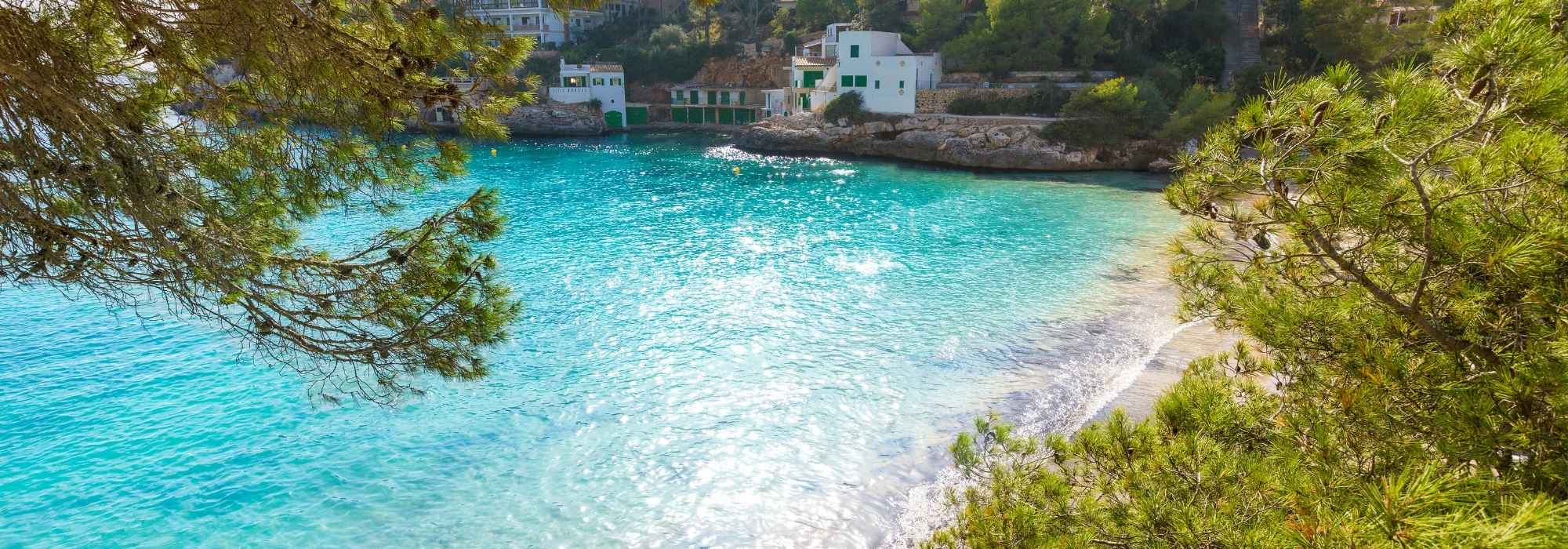
Real Estate Santanyi
Best time to travel according to interest
-
Beach & swimming: June-September (plus October for warm water with milder air temperatures).
-
Hiking & cycling: March-May and September-November (shaded routes in summer).
-
Cities, culture, cuisine: All year round, especially October-May.
-
Families with small children: May-June and September (pleasant warmth, fewer UV peaks).
Packing list per season (short & practical)
-
Winter (Dec-Feb): Layering (light down/fleece), heating in accommodation, rain jacket, closed shoes.
-
Spring (March-May): Onion principle, sun and wind protection, light rain protection.
-
Summer (Jun-Aug): UV protection (hat, SPF 50, sunglasses), airy clothes, bathing shoes, light evenings.
-
Fall (Sep-Nov): Summer basics plus light jacket, rain protection for showers if necessary.
Mallorca in the rain – worthwhile alternatives
Even on a few wet days, the island remains exciting: La Seu Cathedral & Old Town Palma, museums & studios, market halls (olives, cheese, seafood), stalactite caves (Drach/Hams), wineries in the interior of the island, aquarium – perfect bad weather excursions, also family-friendly.
FAQ
How hot does it get in summer?
Often up to 35 °C on the coast, 40 °C possible in the interior of the island > – plan for a siesta and shade.
Is there snow?
Yes, it can snow briefly at high altitudes in the Tramuntana in winter, but it remains mild at lower altitudes.
When does it rain the most?
October is the wettest month; showers are often short and heavy.
How long is the bathing season?
June-October safe; on shallow beaches often pleasant > 20 °C from mid-May.
How many hours of sunshine are there?
Annual average ~7.9 hours/day – summer maximum > 10 hours.

Real estate Cala dor
Conclusion
With the monthly values, microclimates & activity windows bundled here, we plan precisely: midsummer for beach lovers, spring/autumn for active people, October-May for culture & tranquillity – always with the right spot focus between Tramuntana, east and south coast. This is how we get the best possible Mallorca weather out of every travel date.

